
STORY AT-A-GLANCE
- Dogs cannot use words, so they rely on body language to show how they feel — and rolling onto their backs is one of the ways they communicate
- When dogs roll over, they may be expressing different feelings or needs. They could be itchy, feeling calm and safe, or trying to ease tension by showing appeasement
- Many dogs roll in grass, poop, or even carcasses because instinct tells them to pick up or mask scents from their environment
- Noticing how often your dog rolls, how intense the behavior looks, and whether they seem relaxed or uncomfortable can help you understand what they are trying to say
- Rolling is usually normal and harmless, but it is worth paying attention if it suddenly happens more often, your dog looks frantic or aggressive, or shows signs of discomfort
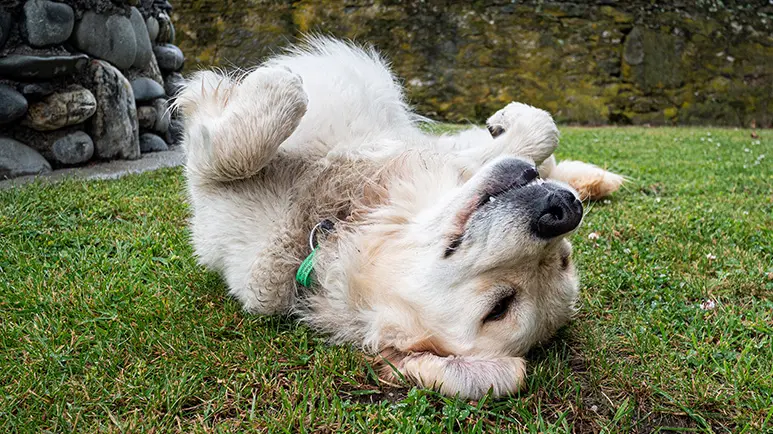
Don't you love it when your dog flops onto their back the moment you walk through the door? It is adorable, but it also makes you think about what they are trying to tell you. Dogs cannot use words, so they rely almost entirely on body language to communicate.
Whether your pup is writhing around in the grass or just sprawled out on your living room floor, this one move does not always mean the same thing. Understanding the most common reasons behind it can help you figure out exactly what your furry friend is trying to say, and some of them might surprise you.
They Feel Cozy and Comfy Enough
Sometimes dogs roll onto their backs simply because they are comfortable. A feature in Kinship explains that lying this way can also help dogs cool down, since the belly has less fur than the rest of the body.1 It is also a position dogs usually take only when they feel safe, because it leaves them exposed. You will often see this at home, when your dog is stretched out on the floor or resting in a familiar spot.
They Are Trying to Calm the Situation
Not every belly‑up moment means your dog feels relaxed or playful. In some situations, rolling onto their backs is a way for dogs to ease tension when they feel unsure, pressured, or anxious. The pet website Rover describes this as appeasement behavior — a nonverbal way your dog communicates that they do not want conflict.2
Unlike relaxed back-lying, appeasement rolling usually shows up in stressful or unfamiliar moments — such as during a veterinary visit, after being scolded, or when meeting a larger or unfamiliar dog. Signs your dog may be appeasing include:
- Tail tucked close to the body
- Stiff or tense posture rather than loose movement
- Ears pinned back
- Avoiding direct eye contact
- Lip licking or showing the whites of the eyes (“whale eye”)
- Slow, cautious movements instead of wiggling
If your dog rolls over this way, keep your response calm and gentle. Avoid forcing touch or hovering over them, as this can increase anxiety. Of course, not all back rolling is about stress.
They Have an Itch That Can’t Be Scratched
Sometimes, dogs roll onto their backs because they are itchy and cannot reach certain spots any other way. Reliable sources like Whole Dog Journal and the McCallum Centre Animal Hospital explain that rolling can help relieve irritation along the back, especially when itching is frequent or intense. You may also notice other scratching behaviors, such as chewing at the belly or paws, which can point to fleas, parasites, allergies, or dry skin.3,4
Pay attention to how the rolling looks. If your dog seems frantic, keeps scratching the same area, or has redness, hair loss, or odor, discomfort could be the cause. Ongoing itching or sensitivity is a good reason to check in with your veterinarian.
They Want to Mask Their Scent
While dogs are openly affectionate creatures, they also have some peculiar habits — and one of the most puzzling is their need to mask or hide their scent. Many believe it is instinctive behavior, harkening back to the days when your dog's wild ancestors would mask their scent to sneak up on prey.5,6 Canines are known to roll in:
- Poop — PetMD explains that dogs, for reasons beyond our comprehension, enjoy rolling in feces because they like the smell — think of it as their version of cologne. They may also be covering up their own scent or even communicating with their pack, bringing back smells from wherever they have been.7
- Carcasses — Dead animals are another go-to for scent masking. Wolves, for example, have been observed rolling in animal carcasses or the droppings of plant-eating animals to cover up their own smell during a hunt.8
- Grass — According to Rover, rolling in the grass (also known as scent rolling) is completely normal behavior for dogs and can mean several different things. Sometimes they are just happy and feeling playful. Other times they are trying to cool down on a hot day and stretch their muscles.9
This scent-masking instinct also explains why dogs often urinate and roll in the same spot. Urine carries a lot of useful information for them — one sniff can tell your dog another dog's sex and whether they have been spayed or neutered. To get ahead of the mess, keep your dog leashed in smelly areas, practice the "leave it" command, and keep dry shampoo handy.10
When Should You Worry About Your Dog Rolling?
According to Kinship, in most cases, there is no need to stop your dog from rolling on their back. Rolling is a normal behavior tied to comfort, play, scent exploration, and communication. If your dog looks relaxed, playful, and happy, it is usually best to let them enjoy the moment.11
Sudden changes in how often or how intensely your dog rolls can sometimes point to something worth looking into. Skin allergies, fleas, mites, or irritated skin can cause real discomfort, and rolling is your dog's way of trying to feel better.
If you notice redness, bald patches, constant scratching, or an unusual smell coming from their skin — or if your dog yelps or seems disoriented while rolling — it is a good idea to check in with your veterinarian sooner rather than later.
Be a Proactive Pet Parent
Before stepping in, start by observing your dog’s body language. A loose body, relaxed face, and playful energy usually mean everything is fine. When rolling seems driven by discomfort or fixation, supportive redirection can help. Helpful ways to respond include:12
- Giving them positive outlets — Toys, interactive games, and safe outdoor spaces where they can sniff and roll freely go a long way.
- Keeping up with grooming — Regular brushing and using safe flea and tick preventives keep skin healthy and reduce the urge to itch and roll.
- Redirecting gently — If they roll somewhere they shouldn't, a calm "leave it" paired with a treat works much better than scolding.
- Checking your home environment — Lawn treatments, synthetic carpets, and household allergens can all trigger irritation without you realizing it.
Staying observant, calm, and consistent allows you to support your dog without overcorrecting natural behavior. The goal is not to stop rolling altogether, but to make sure it is coming from a place of enjoyment — not discomfort. When you balance awareness with patience, you create space for your dog to communicate freely while staying healthy and happy.
Sources and References
- 1,11,12 Kinship, May 20, 2025
- 2,10 Rover, January 19, 2026
- 3 Whole Dog Journal, March 27, 2026
- 4 McCallum Centre Animal Hospital, Why Does Your Dog Roll on Its Back?
- 5,8 Pedigree, Why Do Dogs Roll in Smelly Things?
- 6 Animals (Basel). 2021 Aug 21;11(8):2463
- 7 PetMD, August 31, 2021
- 9 Rover, November 11, 2024